Penguin Drawing Made Easy: A Step-by-Step Guide
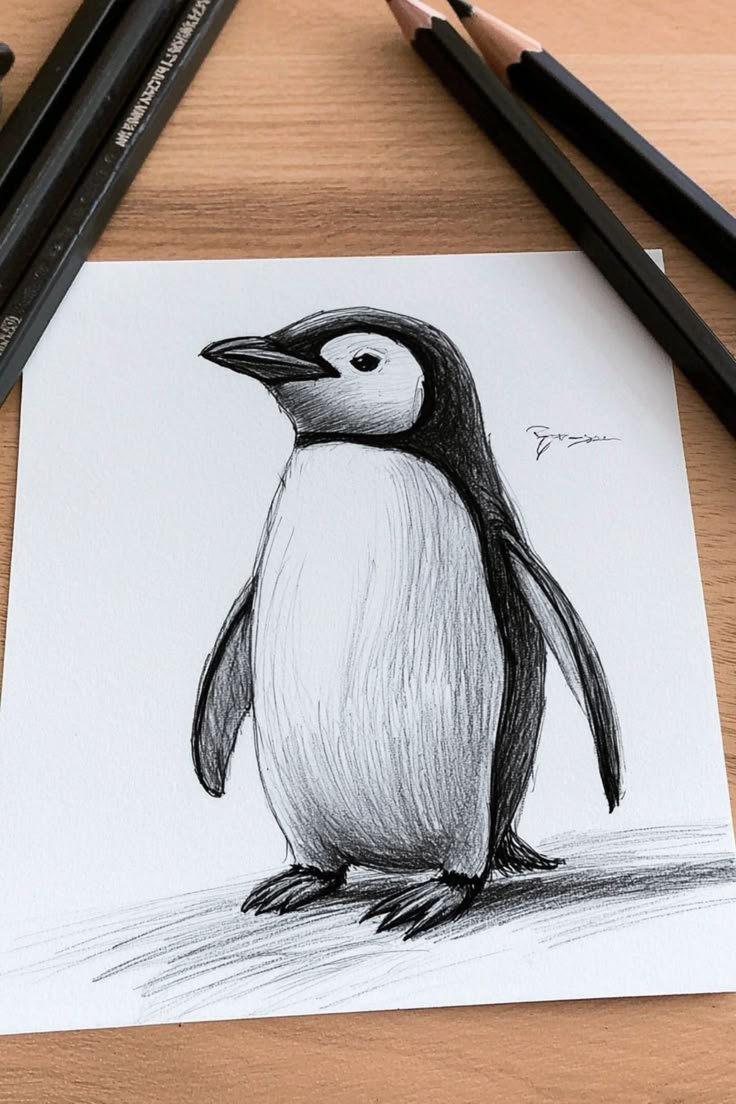
Drawing can feel intimidating at first. Many people believe you either have talent or you don’t. Honestly, that’s one of the biggest myths in art. Drawing is a skill, and like any skill, it gets better with practice. If you’ve ever looked at a cute penguin illustration and thought, “I wish I could draw that,” you’re in the right place.
This guide on Penguin Drawing Made Easy is written for beginners, hobby artists, kids, parents, teachers, and anyone who wants to enjoy drawing without pressure. You don’t need fancy tools, years of experience, or formal training. All you need is a pencil, paper, and a little patience.
Penguins are one of the best subjects to start with. Their rounded bodies, simple shapes, and expressive faces make them perfect for learning basic drawing techniques. By the end of this article, you’ll understand how to draw a penguin step by step and feel confident enough to add your own creative touch.
Let’s slow things down and enjoy the process together.
Why Penguins Are Perfect for Beginner Drawing
Penguins are friendly, recognizable, and forgiving when it comes to mistakes. Even slightly uneven lines can still look charming, which makes them ideal for practice.
Here’s why beginners love penguin drawings:
-
Simple body structure based on circles and ovals
-
Minimal details compared to other animals
-
Easy to stylize as cute, cartoon, or realistic
-
Great for kids’ art projects and sketching practice
-
Excellent subject for learning proportions and shading
When people search for Penguin Drawing Made Easy, they usually want something stress-free. This guide is exactly that.
Tools You Need to Get Started
Before learning how to draw a penguin step by step, let’s talk tools. Keep it simple. Overcomplicating supplies often leads to hesitation.
Basic Drawing Materials
You only need a few essentials:
-
Pencil (HB or 2B works well)
-
Eraser
-
Plain drawing paper or sketchbook
-
Sharpener
Optional but helpful:
-
Black pen or fineliner for outlining
-
Colored pencils or crayons
-
Markers for bold cartoon styles
Remember, great drawings don’t come from expensive tools. They come from understanding shapes and practicing regularly.
Understanding Penguin Anatomy in Simple Terms
You don’t need to study biology to draw a penguin. However, understanding basic structure helps your drawing look natural.
A penguin’s body can be broken into simple forms:
-
Head: small oval or circle
-
Body: large oval or egg shape
-
Wings (flippers): curved leaf-like shapes
-
Feet: flat, webbed shapes
-
Beak: short triangle
Once you see penguins as shapes instead of complex animals, Penguin Drawing Made Easy becomes truly easy.
Penguin Drawing Made Easy: Step-by-Step Process
Let’s get into the actual drawing. Follow these steps slowly, and don’t rush. Drawing is not a race.
Step 1: Draw the Basic Body Shape
Start with a large vertical oval. This will be the penguin’s body. Keep your lines light so they’re easy to erase later.
Above the oval, add a smaller circle for the head. The head should slightly overlap the body to look connected.
This simple structure is the foundation of every penguin drawing.
Step 2: Add Guidelines for Balance
Draw a light vertical line down the center of the body. This helps keep everything symmetrical.
Next, add a horizontal line across the lower half of the oval. This will guide where the belly and feet go.
Guidelines are one of the most important beginner drawing techniques.
Step 3: Sketch the Wings
On each side of the body, draw a curved shape that looks like a soft teardrop. These are the penguin’s flippers.
Keep them relaxed and slightly angled downward. Penguins have short wings, so don’t make them too long.
Step 4: Shape the Face
Inside the head circle, sketch two small oval eyes. Keep them evenly spaced.
Add a tiny triangle between the eyes for the beak. Penguins usually have short, simple beaks, especially in cute cartoon styles.
Already, you should see the penguin taking shape.
Step 5: Draw the Belly Area
Inside the body oval, draw another oval or curved shape for the belly. This area is usually white on most penguin species.
This step adds contrast and helps define the penguin’s iconic look.
Step 6: Add the Feet
At the bottom of the body, draw two small flat shapes sticking out slightly. Penguin feet are short and webbed.
They don’t need much detail. Simple shapes work perfectly.
Step 7: Refine the Outline
Now go over your drawing and smooth out the lines. Erase unnecessary guidelines and adjust proportions if needed.
This is where your penguin starts to look polished.
Step 8: Add Details and Personality
Details bring drawings to life. You can add:
-
Small highlights in the eyes
-
Light feather lines on the belly
-
A gentle smile or curious expression
-
Slight tilt to the head for cuteness
At this point, Penguin Drawing Made Easy turns into penguin drawing made fun.
Step 9: Outline and Color
If you like clean drawings, outline your penguin with a pen. Let it dry, then erase pencil marks.
Color ideas include:
-
Black and white classic penguin
-
Soft gray for shading
-
Orange or yellow beak and feet
-
Blue background for icy vibes
Coloring is optional but highly rewarding.
Common Mistakes Beginners Make (And How to Fix Them)
Everyone makes mistakes while learning. That’s part of the process.
Here are common issues and simple fixes:
-
Body looks too stiff: Use more curved lines
-
Head too big or small: Compare it to the body oval
-
Uneven wings: Use guidelines for symmetry
-
Over-detailing early: Focus on shapes first
Drawing improves when you embrace mistakes instead of fearing them.
Cute vs Realistic Penguin Drawing Styles
One of the best things about penguins is how versatile they are.
Cute Cartoon Penguin Drawing
This style focuses on:
-
Big eyes
-
Round body
-
Minimal details
-
Expressive poses
Perfect for kids, beginners, and doodling.
Semi-Realistic Penguin Sketch
This style includes:
-
More accurate proportions
-
Subtle shading
-
Feather texture
-
Natural posture
Choose the style that matches your comfort level. Both are valid.
How to Practice Penguin Drawing Daily
Consistency matters more than perfection.
Try these practice tips:
-
Draw one penguin a day in different poses
-
Sketch penguins sliding, walking, or swimming
-
Use reference images for inspiration
-
Redraw the same penguin after a week and compare
You’ll be surprised how fast your skills grow.
Penguin Drawing Ideas to Spark Creativity
Once you master Penguin Drawing Made Easy, explore fun ideas:
-
Baby penguin with scarf
-
Penguin family illustration
-
Penguin holding a fish
-
Winter holiday penguin
-
Penguin in a cartoon comic strip
Creative prompts keep drawing exciting.
Benefits of Learning to Draw Penguins
Drawing isn’t just about art. It helps in many ways.
Benefits include:
-
Improved hand-eye coordination
-
Better focus and patience
-
Stress relief and relaxation
-
Boosted creativity and confidence
-
Fun bonding activity for families
That’s why penguin drawing is popular in classrooms and art therapy sessions.
Frequently Asked Questions About Penguin Drawing
Is penguin drawing good for beginners?
Yes. Penguins are one of the easiest animals to draw due to their simple shapes and forgiving structure.
How long does it take to learn penguin drawing?
You can draw a basic penguin in under 15 minutes. Improvement comes with regular practice.
Can kids follow this guide?
Absolutely. This Penguin Drawing Made Easy guide is kid-friendly and teacher-approved.
Do I need to be artistic to draw a penguin?
No. Drawing is a learned skill. Anyone can do it.
Final Thoughts on Penguin Drawing Made Easy
Drawing a penguin doesn’t require talent, expensive supplies, or perfection. It requires curiosity, patience, and a willingness to try. Penguins are joyful little creatures, and drawing them should feel just as joyful.
This Penguin Drawing Made Easy guide is designed to remove fear and replace it with confidence. Whether you’re sketching for fun, teaching a child, or rediscovering art as an adult, penguin drawing is a wonderful place to start.
Pick up your pencil, draw one more penguin today, and enjoy the process. If this guide helped you, share it with a friend, leave a comment with your experience, or challenge yourself to create your own penguin style. Every drawing is progress, and every penguin tells a story.
About the Author