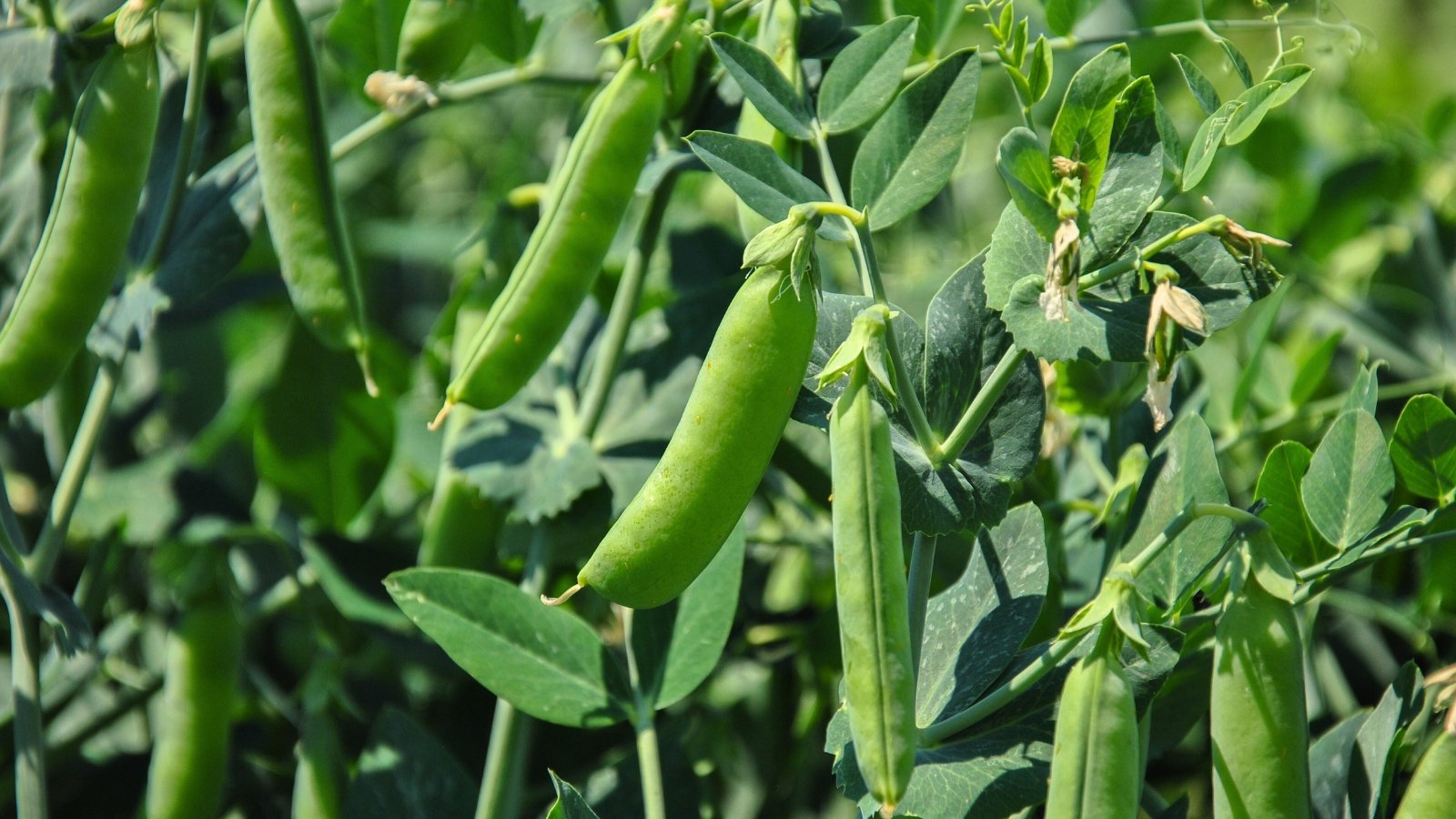
When we think of superfoods, vibrant berries or exotic grains often come to mind. But rarely does the humble pea plant get its moment in the spotlight. Small, green, and unassuming, peas might seem ordinary—but they are anything but. Packed with nutrients, antioxidants, and plant-based protein, the pea plant offers a treasure trove of benefits that many people overlook. Whether you’re a gardener, foodie, or health enthusiast, understanding what this plant can do for you might just change the way you look at your plate.
In this article, we’ll explore 10 surprising benefits of the pea plant you need to know, backed by real science, practical examples, and insights that make sense for everyday life.
Rich Source of Plant-Based Protein
Peas are a nutritional powerhouse, particularly when it comes to protein. Many people think only meat, eggs, or dairy provide significant protein, but pea protein challenges that assumption. One cup of green peas contains about 8 grams of protein, which is substantial for a vegetable.
Plant-based protein from the pea plant is easily digestible, making it a great option for vegetarians, vegans, and anyone looking to reduce their reliance on animal products. Moreover, pea protein powders have become increasingly popular as a supplement in smoothies and shakes, providing a sustainable, environmentally friendly protein alternative.
Supports Heart Health
One of the most remarkable benefits of the pea plant is its impact on cardiovascular health. Peas are rich in fiber, particularly soluble fiber, which helps lower cholesterol levels. Lower cholesterol means less plaque buildup in arteries, reducing the risk of heart disease.
Additionally, peas contain antioxidants like flavonoids and carotenoids, which combat oxidative stress—a major contributor to heart-related issues. Including peas in soups, salads, or as a side dish can be a simple yet effective way to support a healthy heart.
Aids Digestion and Gut Health
Fiber is one of the key elements of digestive wellness, and the pea plant delivers it abundantly. With both soluble and insoluble fiber, peas help regulate bowel movements, prevent constipation, and support a healthy gut microbiome.
But it doesn’t stop there. The pea plant contains prebiotics—compounds that feed beneficial gut bacteria. A healthy gut improves nutrient absorption, strengthens immunity, and even supports mental well-being. So next time you’re thinking about gut health, don’t underestimate the tiny pea.
Helps Manage Blood Sugar Levels
Managing blood sugar is a challenge many face daily, especially for those with diabetes or prediabetes. The pea plant, with its low glycemic index, releases sugar slowly into the bloodstream, preventing spikes and crashes.
Moreover, the fiber in peas slows down the absorption of glucose, keeping energy levels stable. Studies show that incorporating peas into meals can improve insulin sensitivity, which is essential for long-term metabolic health.
Packed with Vitamins and Minerals
The pea plant is not just about protein and fiber; it’s also loaded with essential vitamins and minerals. A single serving contains:
-
Vitamin C – boosts immunity and collagen production
-
Vitamin K – essential for bone health and blood clotting
-
Folate – crucial for DNA synthesis and cell repair
-
Manganese, iron, and phosphorus – support metabolism and energy
Eating peas regularly ensures you get a spectrum of nutrients without the need for complex supplements.
Promotes Weight Management
Peas are low in calories but high in fiber and protein, making them incredibly filling. This combination can curb hunger, reduce overeating, and support weight management naturally.
Unlike many processed snacks, the pea plant delivers satisfaction without a calorie overload. A cup of peas in a salad or stir-fry can replace high-calorie ingredients while keeping your meals hearty and enjoyable.
Anti-Inflammatory Properties
Chronic inflammation is linked to numerous diseases, including arthritis, diabetes, and heart disease. Luckily, the pea plant has compounds that combat inflammation. Isoflavones, saponins, and other phytochemicals in peas help reduce inflammatory markers in the body.
For people dealing with joint pain or inflammatory conditions, incorporating peas into daily meals may offer subtle but meaningful relief over time. Soups, stews, or even mashed peas can be delicious ways to harness this benefit.
Supports Eye Health
You may not think of peas as an eye-friendly food, but they are! The pea plant contains lutein and zeaxanthin—antioxidants crucial for maintaining eye health. These compounds protect the retina from damage caused by blue light and oxidative stress, potentially reducing the risk of cataracts and age-related macular degeneration.
Including peas in your diet, especially in colorful meals with carrots and bell peppers, can be a simple, tasty way to keep your vision sharp.
Environmentally Friendly and Sustainable
Beyond personal health, the pea plant is remarkable for its environmental impact. Peas are nitrogen-fixing plants, meaning they enrich the soil naturally, reducing the need for chemical fertilizers.
They also require less water compared to many other protein sources, making them a sustainable choice. Supporting pea-based foods helps reduce the carbon footprint associated with food production, making it a win-win for your health and the planet.
Versatile in Cooking and Meal Prep
Finally, one of the most underrated benefits of the pea plant is its culinary versatility. Fresh, frozen, or dried, peas can be incorporated into countless dishes:
-
Salads and grain bowls
-
Soups and stews
-
Smoothies and protein shakes
-
Purees and spreads
-
Stir-fries and casseroles
This adaptability makes it easy to enjoy all the health benefits without getting bored. Plus, peas’ natural sweetness pairs well with herbs, spices, and other vegetables, enhancing the flavor profile of any meal.
Quick Nutritional Comparison Table
| Nutrient | Amount per 1 cup (160g) | Benefit |
|---|---|---|
| Protein | 8 g | Muscle repair, satiety |
| Fiber | 8.8 g | Digestion, gut health |
| Vitamin C | 58 mg | Immunity, skin health |
| Vitamin K | 41 µg | Bone strength, clotting |
| Folate | 101 µg | DNA synthesis, cell growth |
| Iron | 2.5 mg | Energy metabolism, oxygen transport |
| Magnesium | 48 mg | Muscle, nerve, and heart function |
How to Include Peas in Your Daily Routine
If you’re wondering how to make the pea plant a consistent part of your diet, here are some practical ideas:
-
Morning Smoothies: Add frozen peas to your green smoothie for extra protein and fiber.
-
Lunch Bowls: Toss peas into salads or quinoa bowls for color and nutrients.
-
Hearty Soups: Blend peas into creamy soups for natural sweetness and texture.
-
Snacks: Steam and season peas with herbs as a guilt-free snack.
-
Meal Prep: Cook a big batch of peas and mix with grains, roasted veggies, or protein for ready-to-go meals.
Consistency is key. Even a half-cup daily can start making noticeable improvements in energy, digestion, and overall well-being.
Final Thoughts
The pea plant mightseem humble, but it packs a punch in ways many superfoods can’t match. From protein and fiber to heart health, eye support, and anti-inflammatory benefits, peas offer a holistic approach to wellness. Beyond nutrition, peas are environmentally sustainable and incredibly versatile in the kitchen.
So, the next time you see a bag of green peas in your fridge or grocery store, don’t overlook them. Whether you’re blending them into a smoothie, tossing them into a salad, or enjoying them in a hearty stew, the pea plant proves that small things can have big impacts.
If you found these insights valuable, share your favorite ways to enjoy peas in the comments below. Your health—and the planet—will thank you.
About the Author