Ever missed an important call and instantly regretted it?
Maybe it was a job offer. A client. A delivery. Or worse — a call you were waiting for all day.
Here’s the truth: in 2026, there’s absolutely no reason to miss calls anymore. Not when you know how to use a simple call forwarding code.
Whether you’re a business owner, freelancer, remote worker, traveler, or just someone juggling two phones, understanding the right call forwarding code can completely change how you manage incoming calls.
In this complete guide, I’ll walk you through everything — activation codes, deactivation codes, GSM codes, carrier differences, iPhone and Android settings, voicemail forwarding, troubleshooting tips, and even advanced business setups.
Let’s dive in.
What Is a Call Forwarding Code?
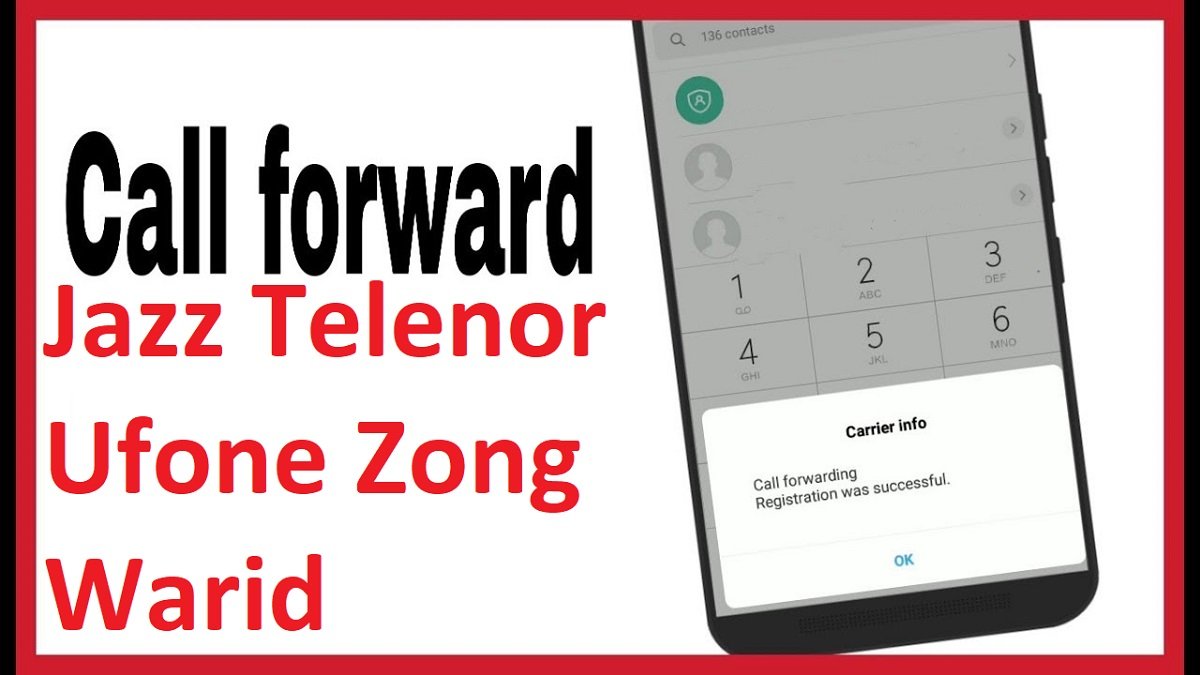
A call forwarding code is a short dial code you enter into your phone’s dialer to redirect incoming calls to another number. Think of it as a shortcut command that tells your mobile network what to do when someone calls you.
Instead of your phone ringing:
-
Calls can go to another mobile number
-
A landline
-
A VoIP number
-
A business phone system
-
Or directly to voicemail
The beauty of a call forwarding code is that it works at the network level. That means it’s handled by your mobile carrier, not just your phone settings.
In other words, it works even if your phone is off.
That’s powerful.
Why Call Forwarding Matters in 2026
The way we work and communicate has changed.
We now use:
-
Dual SIM phones
-
Remote office setups
-
Cloud PBX systems
-
Virtual numbers
-
Business phone systems
-
International roaming plans
With flexible work environments and global clients, managing calls efficiently isn’t optional anymore.
Using the correct call forwarding code ensures:
-
No missed business opportunities
-
Better customer experience
-
Seamless travel communication
-
Backup contact routing
-
Smart call management
And yes — it’s still incredibly simple to use.
The Most Common Call Forwarding Codes (Universal GSM Codes)
Most mobile networks worldwide use GSM MMI codes. Below is a practical table you can save or screenshot.
Standard GSM Call Forwarding Code List
| Action | Code | What It Does |
|---|---|---|
| Forward all calls | 21Number# | Redirects every incoming call |
| Disable all forwarding | ##21# | Cancels all call forwarding |
| Forward when busy | 67Number# | Forwards if you’re on another call |
| Cancel busy forwarding | ##67# | Stops busy forwarding |
| Forward if unanswered | 61Number# | Forwards after a set ring time |
| Cancel unanswered | ##61# | Disables no-answer forwarding |
| Forward if unreachable | 62Number# | Forwards if phone is off or no signal |
| Cancel unreachable | ##62# | Stops unreachable forwarding |
| Check forwarding status | *#21# | Displays current forwarding settings |
These codes are often referred to as call divert codes, USSD codes, MMI codes, or GSM forwarding codes.
However, your mobile carrier must support them. Some networks slightly modify these service codes.
How to Activate Call Forwarding on iPhone
If you’re using an iPhone, you can either use the call forwarding code method or go through system settings.
Method 1: Using Dial Codes
-
Open the Phone app
-
Enter the appropriate call forwarding code
-
Tap Call
You’ll see a confirmation message from your carrier.
Method 2: Through iOS Settings
-
Go to Settings
-
Tap Phone
-
Select Call Forwarding
-
Toggle it ON
-
Enter the forwarding number
This method is easier for beginners. However, advanced conditional forwarding often requires using a call forwarding code manually.
How to Activate Call Forwarding on Android
Android users have similar options.
Via Phone Settings
-
Open Phone app
-
Tap the three-dot menu
-
Select Settings
-
Tap Calling accounts
-
Choose your SIM
-
Tap Call forwarding
You’ll see options like:
-
Always forward
-
Forward when busy
-
Forward when unanswered
-
Forward when unreachable
Using Call Forwarding Code on Android
The dialer method works exactly like iPhone. Simply enter the GSM code and press call.
Many users prefer the call forwarding code because it works instantly and doesn’t depend on the phone interface.
Types of Call Forwarding Explained
Not all forwarding is the same. Understanding the differences helps you choose the right setup.
1. Unconditional Call Forwarding
This forwards every call without exception.
Use case:
-
Switching to a temporary number
-
Moving from mobile to office phone
-
Using a backup device
Activation example:
211234567890#
2. Conditional Call Forwarding
This only forwards under specific conditions.
Types include:
-
Busy forwarding
-
No answer forwarding
-
Not reachable forwarding
This is more strategic and commonly used in business phone systems.
3. Voicemail Forwarding
Instead of another number, calls route to voicemail after a set ring time.
Most carriers automatically configure voicemail, but you can modify it using a call forwarding code like 61.
How Businesses Use Call Forwarding Codes
If you run a company, call forwarding is not just convenient — it’s critical.
Businesses use call forwarding codes to:
-
Route calls from office landline to mobile
-
Set up after-hours forwarding
-
Redirect calls during holidays
-
Manage customer support lines
-
Connect to virtual receptionist systems
-
Integrate with VoIP providers
-
Forward calls to call centers
For example, a real estate agent traveling abroad can forward their primary number to an international SIM or VoIP number. Clients never notice a difference.
That’s professional communication.
Carrier Differences You Should Know
Although GSM forwarding codes are universal, some carriers modify features.
For example:
-
Some U.S. carriers require enabling forwarding in account settings
-
Certain prepaid plans limit call forwarding
-
International roaming may affect forwarding charges
-
CDMA networks sometimes use different service codes
Always check:
-
Forwarding charges
-
Roaming fees
-
International forwarding costs
-
Long-distance billing
Forwarding calls internationally can increase your phone bill if you’re not careful.
Advanced Call Forwarding Tricks
Here’s where things get interesting.
Set Custom Ring Time Before Forwarding
You can control how long your phone rings before forwarding using this structure:
61Number**Seconds#
Example:
611234567890**30#
This sets a 30-second delay before forwarding.
Most networks allow between 5 and 30 seconds.
Dual SIM Forwarding Strategy
If you use a dual SIM phone:
-
Forward SIM 1 to SIM 2 during work hours
-
Forward SIM 2 to voicemail after hours
This creates a built-in call routing system.
Temporary Call Diversion
Going on vacation?
Activate unconditional forwarding to a colleague’s number. When you return, disable it using the cancellation call forwarding code.
Simple.
Common Problems and Troubleshooting
Sometimes call forwarding doesn’t work. Here’s why.
1. Incorrect Format
Make sure:
-
You include the asterisk (*)
-
You end with a hash (#)
-
The phone number includes country code if required
2. Carrier Restrictions
Some networks disable call forwarding by default. You may need to contact customer support.
3. SIM Card Issues
Damaged SIM cards can interfere with network-based services.
4. Roaming Conflicts
When roaming internationally, call forwarding may behave differently.
If things don’t work, dial *#21# to check status.
Call Forwarding vs Call Routing
People often confuse these terms.
Call forwarding:
-
Basic redirection to another number
Call routing:
-
Advanced system that routes calls based on time, caller ID, location, or menu input
Routing is common in cloud PBX systems and VoIP platforms.
Forwarding is simpler but still powerful.
Is Call Forwarding Secure?
Generally, yes.
However:
-
Avoid forwarding to unknown numbers
-
Disable forwarding after temporary use
-
Monitor billing statements
-
Check forwarding status periodically
Unauthorized call forwarding can happen in SIM swap scams. So it’s wise to check *#21# occasionally.
Does Call Forwarding Cost Money?
It depends.
Possible charges include:
-
Airtime usage
-
Long-distance fees
-
International rates
-
Roaming charges
Some unlimited plans include free call forwarding. Others charge per minute.
Always verify with your mobile carrier.
Frequently Asked Questions
Does call forwarding work if my phone is off?
Yes, especially with unreachable forwarding using the correct call forwarding code.
Can I forward calls to WhatsApp or apps?
Not directly. Forwarding works only to phone numbers, including VoIP numbers.
How do I cancel all forwarding quickly?
Dial:
##21#
That disables unconditional forwarding immediately.
Can I forward text messages?
No. Call forwarding code works only for voice calls.
Best Practices for Using Call Forwarding Code
To use call forwarding effectively:
-
Choose conditional forwarding instead of unconditional when possible
-
Set a reasonable ring duration
-
Monitor call logs
-
Review carrier billing
-
Disable forwarding when no longer needed
-
Use country codes for international numbers
-
Test after activation
Testing is important. Always make a quick call from another phone to confirm it works.
The Future of Call Forwarding
In 2026 and beyond, we’re seeing integration between:
-
AI call assistants
-
Smart voicemail transcription
-
Cloud-based communication tools
-
Business automation systems
-
Unified communications platforms
Still, the humble call forwarding code remains the foundation.
It’s fast. Reliable. Universal.
And surprisingly underused.
Final Thoughts: Why You Should Master Call Forwarding Code Today
Technology keeps evolving. Communication keeps accelerating. Expectations keep rising.
But sometimes, the most powerful tools are the simplest.
A call forwarding code is not flashy. It’s not new. It won’t trend on social media.
Yet it can:
-
Save business deals
-
Improve customer response time
-
Prevent missed emergencies
-
Keep you reachable anywhere
-
Create a professional image
That’s not small.
If you’ve never used a call forwarding code before, try it today. Set up conditional forwarding. Test it. Explore what works for your lifestyle or business.
And if you found this guide helpful, share it with someone who constantly misses calls. You might just save them their next big opportunity.
About the Author